Ícone acessibilidade Accessibility

Waste

Our progress in numbers
-1%

reduction in waste volume per product sold. 
2030 Target: 15%

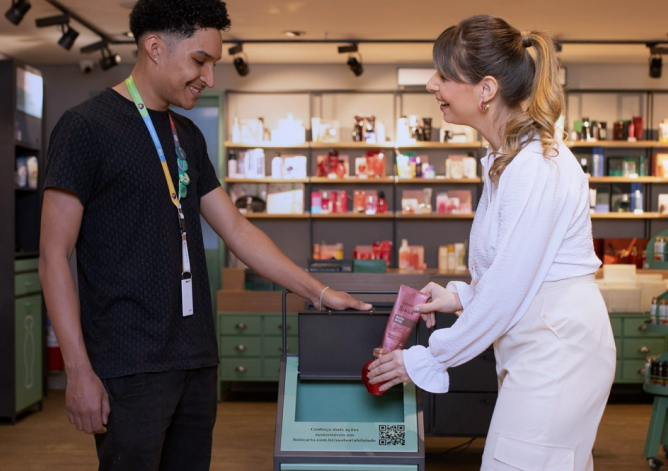
A photograph of the interior of a store highlights a collection bin from the "Boti Recycle" program in the foreground on the left.

39%

of packaging collected for recycling. 
2030 Target: 45%
+96%

of operational waste recycled. 
2030 Target: 95%

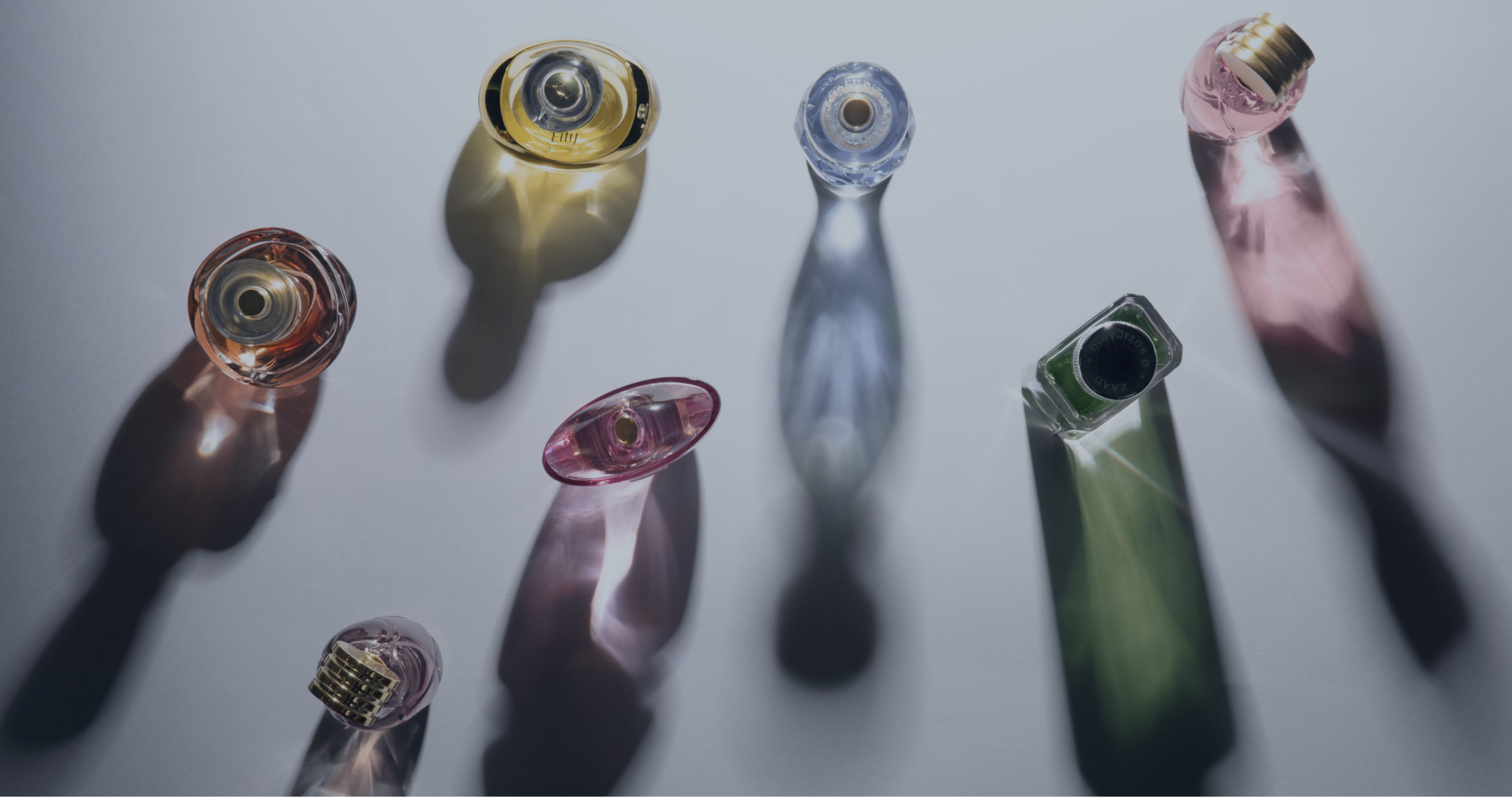
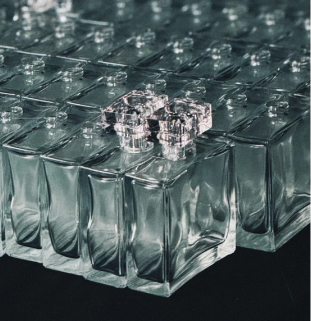
The photograph shows a set of perfume bottles lined up against a neutral gray background.

7%

of new products launched with sustainable packaging. 
2030 Target: 90%

Driving waste circularity

Research and development

Production

Transportation and distribution

Retail and consumption

Reverse logistics

Recycling

Research and development

The cycle begins with eco-design, through the selection of low-impact materials for packaging and furniture. This approach reduces the use of virgin raw materials and prioritizes recycled content.

Production

At our factories and distribution centers, we focus on operational efficiency to minimize waste generation, prioritizing reuse and recycling throughout our operations.

Transportation and distribution

Our logistics operations are designed to reduce material losses and maximize the use of returnable packaging, extending the lifespan of materials and preventing waste across the supply chain.

Retail and consumption

Our stores serve as a key touchpoint with consumers, promoting responsible disposal practices and highlighting our sustainable retail concept, as many of our stores are already being built using recycled materials.

Reverse logistics

Our collection points enable consumers to properly dispose of empty packaging, ensuring that these materials are recovered and reintroduced into the value chain.

Recycling

Collected materials are sorted by our partner cooperatives and transformed into new raw materials, helping to close the loop and advance the circular economy.

Discover our initiatives

A photograph shows a cosmetics store, with a customer and a sales assistant interacting with smiles.

Boti Recicla

The Group’s main reverse logistics program is available at more than 4,000 collection points across all Brazilian states.

By accepting empty packaging from any beauty brand, it makes responsible disposal easy and accessible.    

Returned packaging is collected by partner transportation companies and delivered to waste picker organizations, where it is sorted, decharacterized, and prepared for commercialization and recycling.

Developed in partnership with the startup Green Mining, the Factory Price Station initiative helps strengthen the circular economy by providing collection points for recyclable materials and offering compensation above market rates for both consumers and waste pickers. To date, the program has collected more than 5,300 tons of recyclable waste and generated income for over 3,000 people across the value chain.
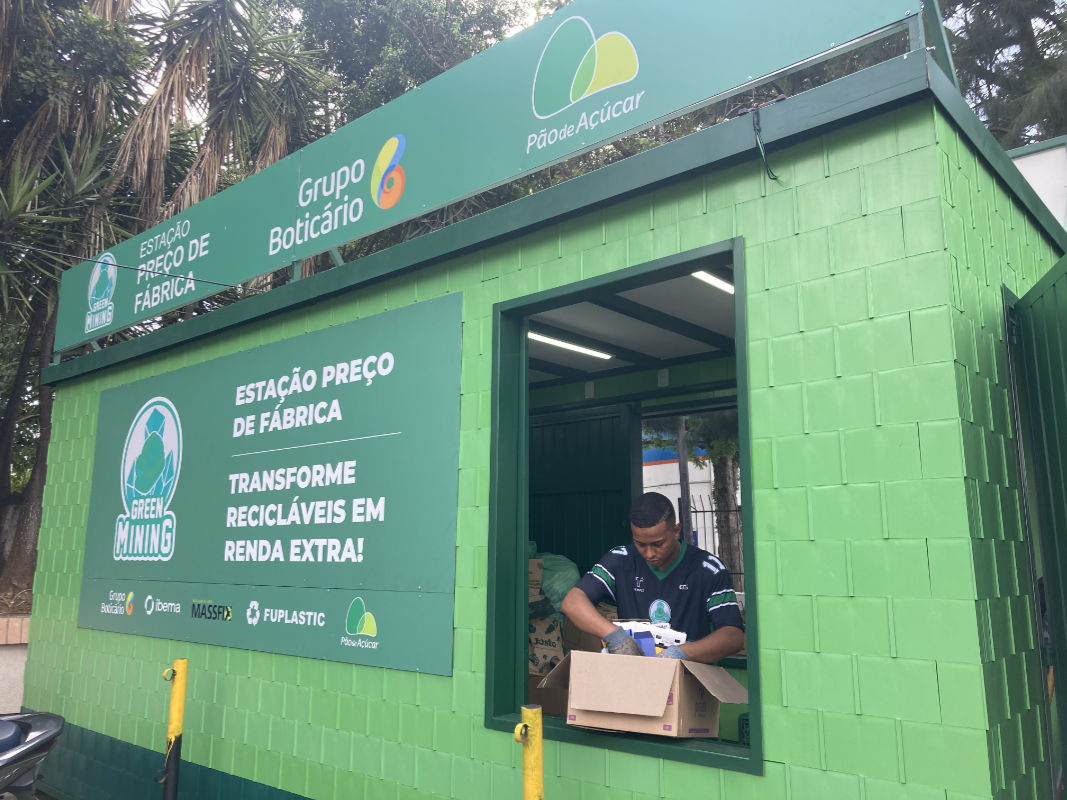
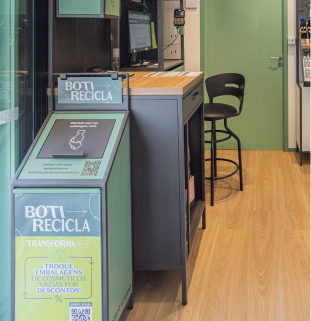
A photograph shows a sustainable recycling kiosk painted in shades of green, with trees in the background.
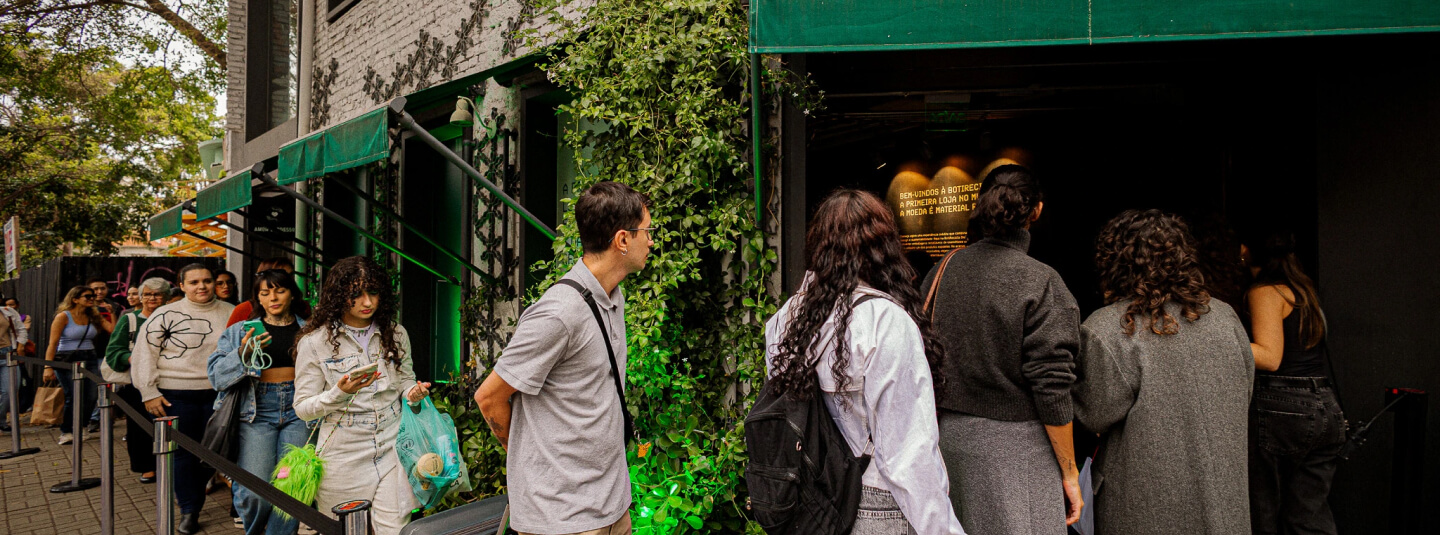
A wide-angle, medium-shot photograph captures a line of people along the sidewalk waiting to enter a commercial establishment with a dark facade and green accents. On the right, a group of people is seen from behind—including a woman in a white jacket with a black backpack, and others dressed in gray coats—gathered before the dark entrance beneath a green awning, where illuminated text is projected onto the inner wall. On the left, the line extends toward the background, guided by black stanchion queue barriers, showing young people walking and chatting, such as a woman in a light denim jacket looking at her phone and a man in profile wearing a gray polo shirt and glasses. The venue's architecture features gray-painted brick walls, green climbing vines ascending the structure, and background trees framing the bustling urban scene on a clear day.

For more information on the Commitments for the Future, please access the Integrated Report 2025.