Ícone acessibilidade Accessibility

Water

Our progress in numbers
69%

of rinse-off products are biodegradable.
2030 Target: 90%

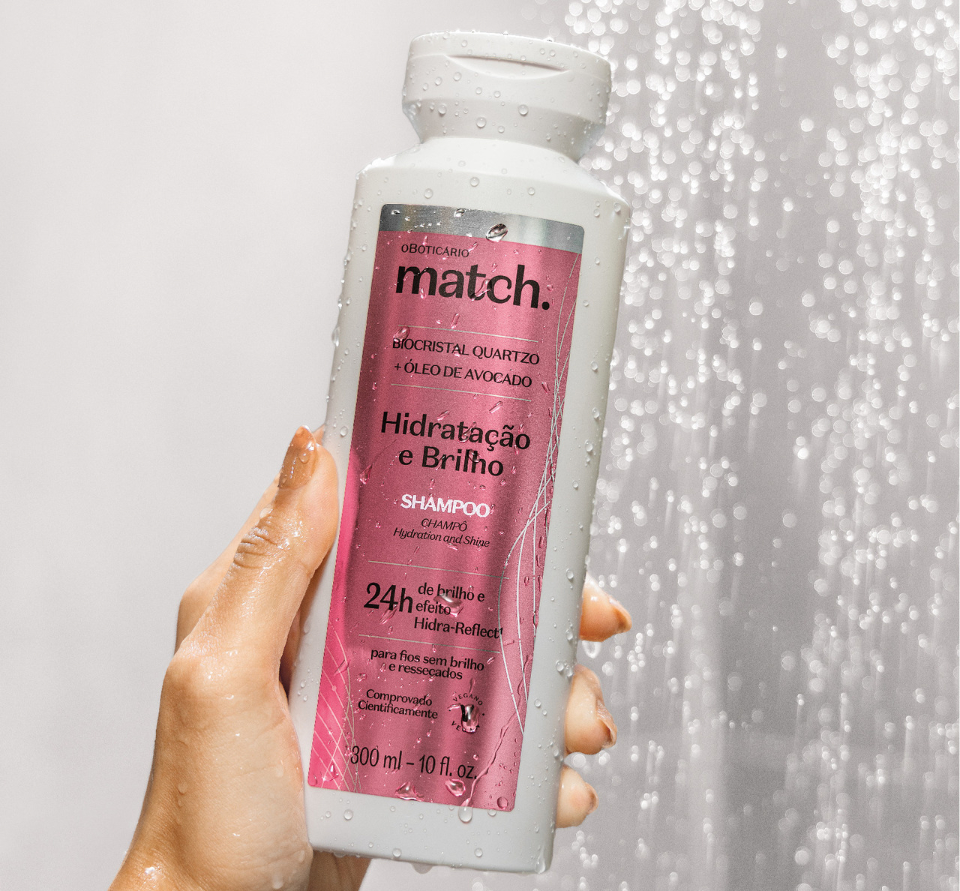
A photograph shows a hand holding a white bottle of "Match Hydration and Shine" shampoo from O Boticário.

91%

of products have a reduced impact on water resources.
2030 Target: 100%
9%

reduction in water consumption per ton of product produced.
2030 Target: 25%

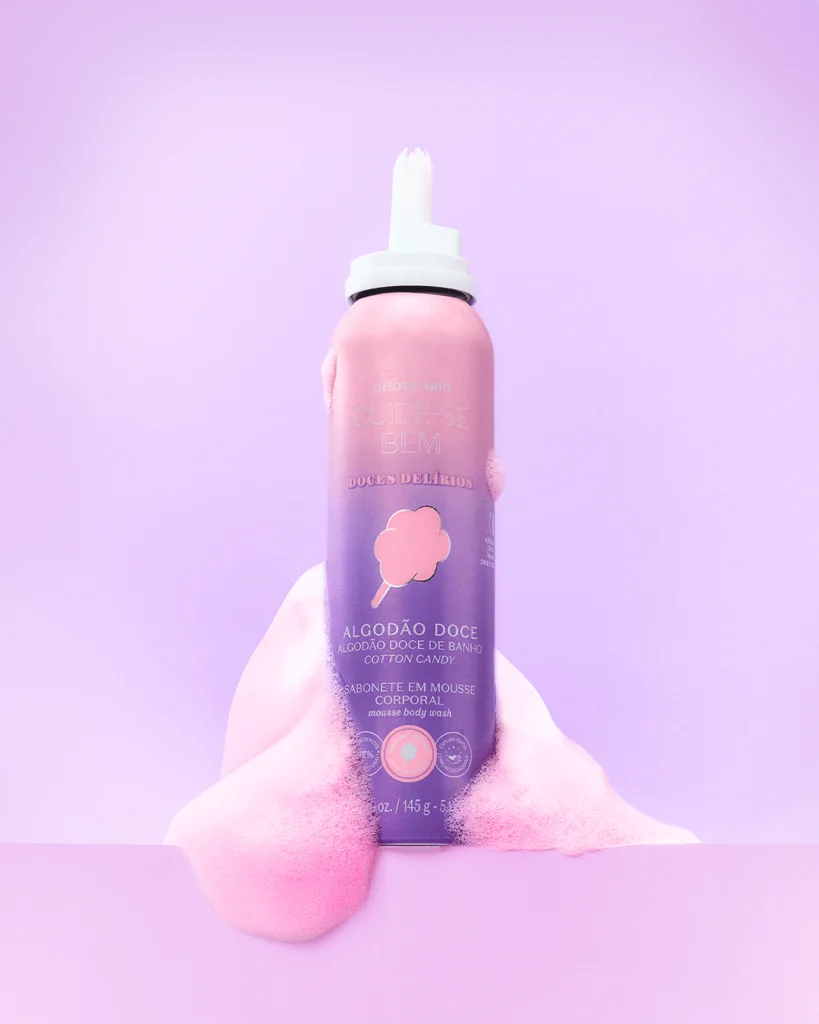
A photograph shows the "Body Mousse Soap" product from the "Cuide-se Bem Doces Delírios" line by O Boticário.

20%

of products incorporate technologies that reduce water use during rinsing.
2030 Target: 30%
36%

of the water used in our factories is recycled.
2030 Target: 90%

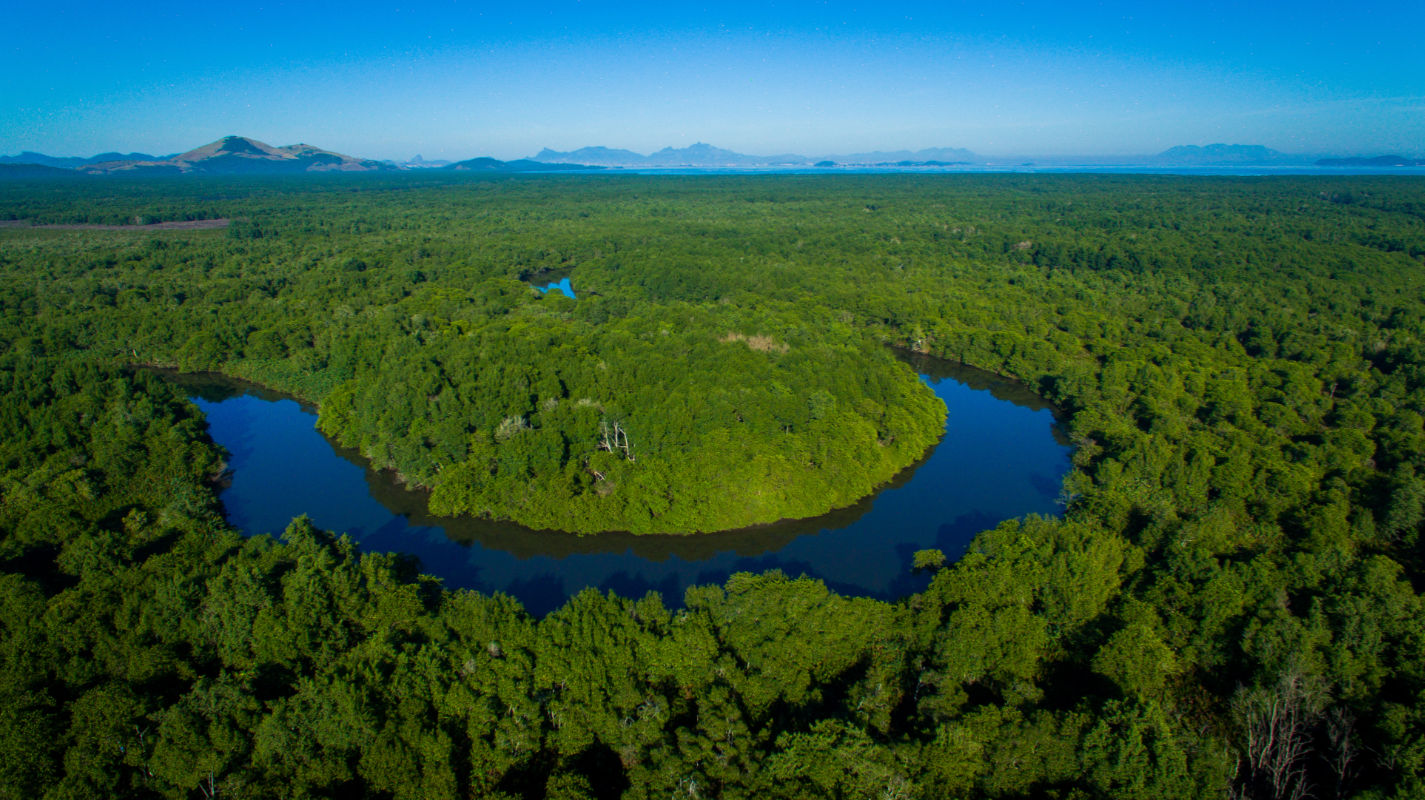
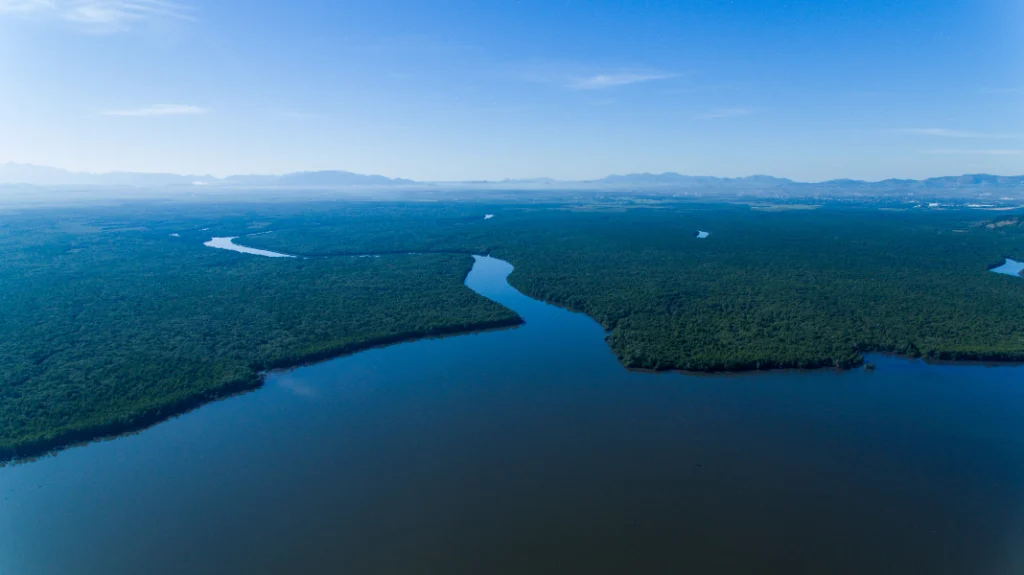
A photograph shows the lush, preserved mangrove vegetation in the Guanabara Bay region of Rio de Janeiro.

4

critical water sources in Brazil protected. 
2030 Target: 6 

15 million

people benefited from water security initiatives. 
2030 target: 25 million people

Water management

We manage water use across multiple areas, including conservation, operational efficiency, and product use.

1. Risk mapping

We use data and scientific analysis to identify water-related risks, such as scarcity and flooding.

2. Efficiency

We have optimized water consumption in our facilities and expanded water reuse initiatives, making our operations more circular and resilient.

3. Preservation

We help protect the rivers and water sources surrounding our operations, contributing to greater water security.

4. Products

We develop formulas designed to reduce impacts on aquatic ecosystems during product use and after disposal.

Discover our initiatives

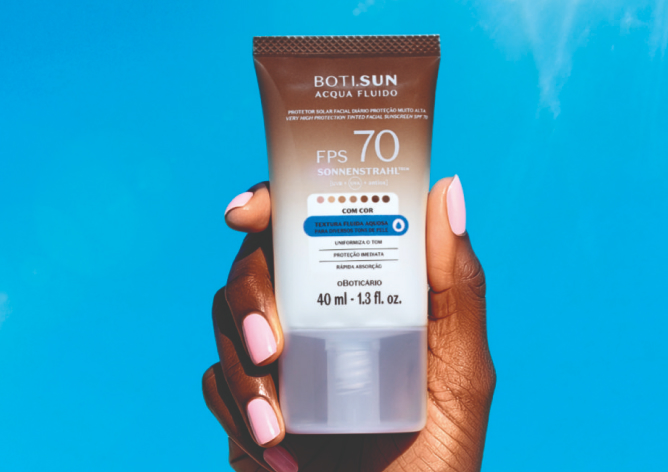
A photograph shows the "BOTI.SUN ACQUA FLUIDO" sunscreen against a blue sky.

I.A.R.A.®

An internal methodology, validated by an independent third party, which assesses environmental impacts from the earliest stages of product development. We use the Reef Safe and Water-Friendly Formula seals to identify formulations designed to minimize impacts on sensitive ecosystems, such as coral reefs. This approach ensures that water impact reduction is considered throughout the entire product lifecycle, from research and development to consumer use.

A multi-stakeholder platform that promotes water security and climate adaptation in strategic water supply sources across Brazil. Created by Boticário Group and Boticário Group Foundation, the initiative combines nature conservation, sustainable entrepreneurship, and local engagement to strengthen water resilience in key territories:

  • Miringuava River Basin (PR)
  • Guanabara Bay (RJ)
  • Cantareira System (SP/MG)
  • Joanes and Jacuípe Water Sources (BA)
A photograph shows the lush, preserved mangrove vegetation in the Guanabara Bay region of Rio de Janeiro.
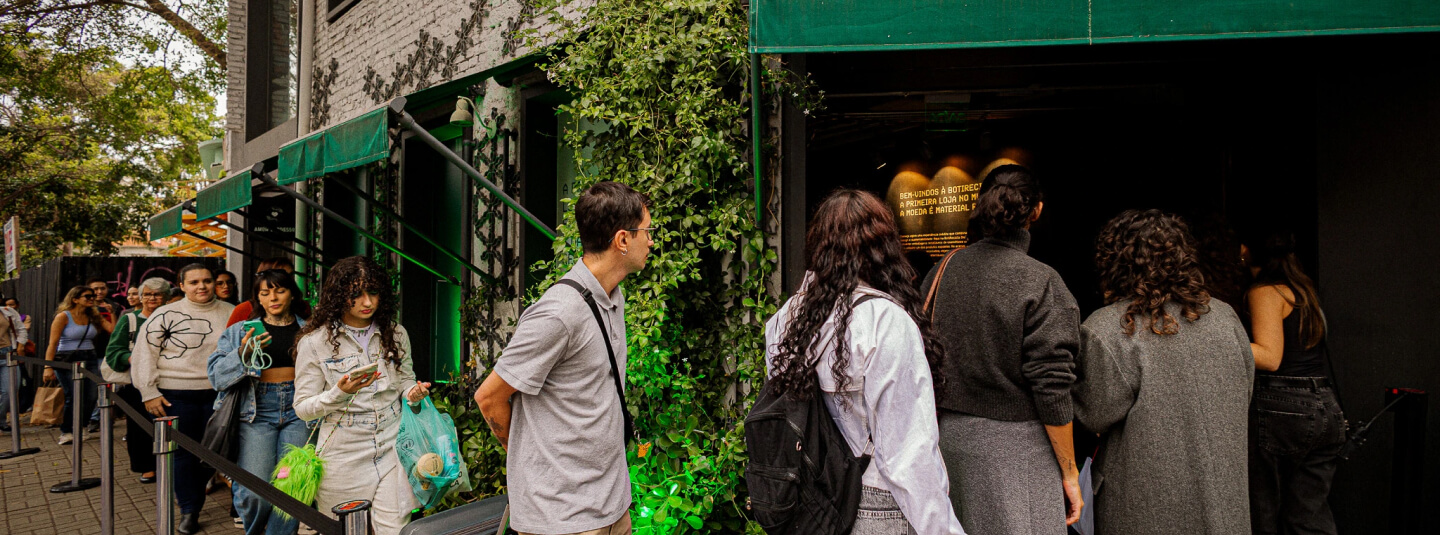
A wide-angle, medium-shot photograph captures a line of people along the sidewalk waiting to enter a commercial establishment with a dark facade and green accents. On the right, a group of people is seen from behind—including a woman in a white jacket with a black backpack, and others dressed in gray coats—gathered before the dark entrance beneath a green awning, where illuminated text is projected onto the inner wall. On the left, the line extends toward the background, guided by black stanchion queue barriers, showing young people walking and chatting, such as a woman in a light denim jacket looking at her phone and a man in profile wearing a gray polo shirt and glasses. The venue's architecture features gray-painted brick walls, green climbing vines ascending the structure, and background trees framing the bustling urban scene on a clear day.

For more information on the Commitments for the Future, please access the Integrated Report 2025.